

For years, Google Tasks and Google Assistant have defined how people interact with technology using voice. From setting reminders to checking calendars and controlling devices, Google has shown that voice is the fastest way to get things done, as long as everything happens within the Google ecosystem.
But work has changed.
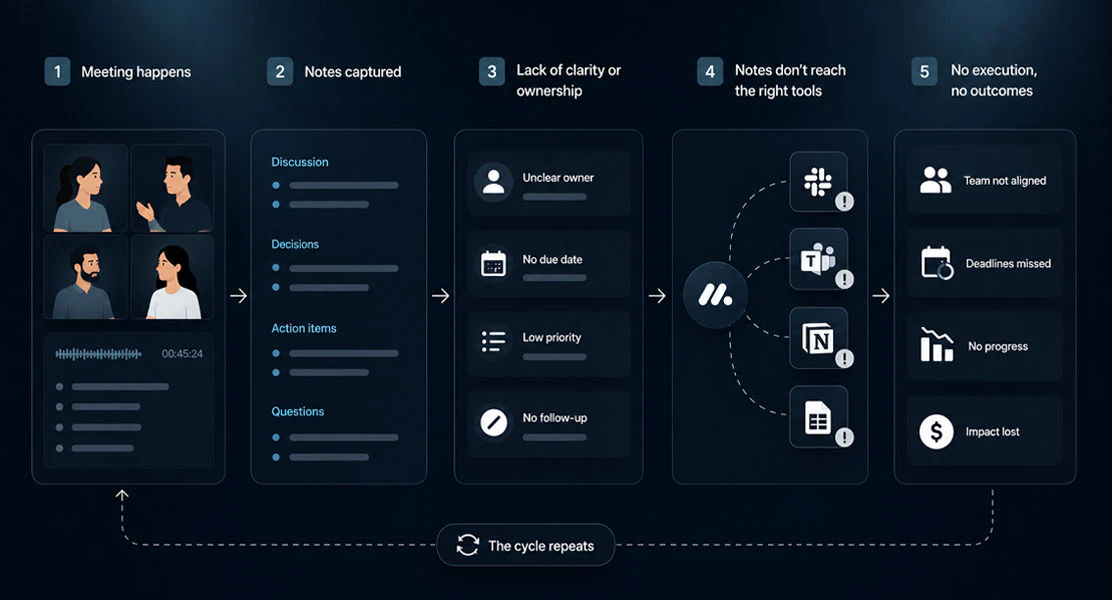
Today’s professionals use multiple productivity tools. Tasks live in project management platforms, updates happen in collaboration tools, and decisions are made across emails, documents, and dashboards. This fragmented reality has created a new challenge: task management no longer belongs to a single app.
This is where voice task management for productivity tools becomes essential and where Gennie introduces a new way to think about productivity.
Why Google Tasks Works So Well (Within Google)
Google Tasks succeeds because it removes friction.
Instead of forcing users to learn a new system, it integrates directly into Gmail, Calendar, and Google Assistant. Tasks feel lightweight, immediate, and easy to manage.
Inside the Google ecosystem, users can rely on voice to handle a wide range of actions:
Everyday Task and Reminder Control
Google allows users to:
- Create simple tasks and reminders
- Mark tasks as complete
- Update task timings
- Manage checklists like shopping lists
This makes it ideal for personal productivity and quick task capture.
Daily Planning and Organization
Users can also:
- Check their daily schedule
- Add calendar events
- Set alarms and timers
- Create basic notes
For organizing the day ahead, Google Assistant is fast and dependable.
Communication and Device Actions
Voice commands enable:
- Making calls and sending texts
- Reading emails or messages
- Opening apps and adjusting phone settings
- Performing basic device actions
This hands-free control is especially useful on mobile devices.
Smart Home, Information, and Media
Google Assistant excels at:
- Controlling smart home devices
- Triggering routines
- Providing real-time information
- Playing music or managing media
With Gemini, it can now answer complex questions and assist with writing and content summarization.
Where Google Tasks and Assistant Reach Their Limits
Despite their versatility, Google’s tools are designed under the assumption that your work lives inside Google.
For modern professionals, this assumption no longer holds true.
Key Limitations That Matter at Work
- Tasks cannot be deeply managed across non-Google tools
- Complex calendar edits via voice are limited
- No universal task control across project management platforms
- No custom workflow execution outside Google integrations
- Voice commands are constrained to what Google natively supports
Google Tasks was never meant to be a universal task layer. It works best as an ecosystem feature rather than a cross-platform solution.
The Real Problem: Tasks Are No Longer App-Based
In today’s workplace, tasks don’t originate from one place.
They come from:
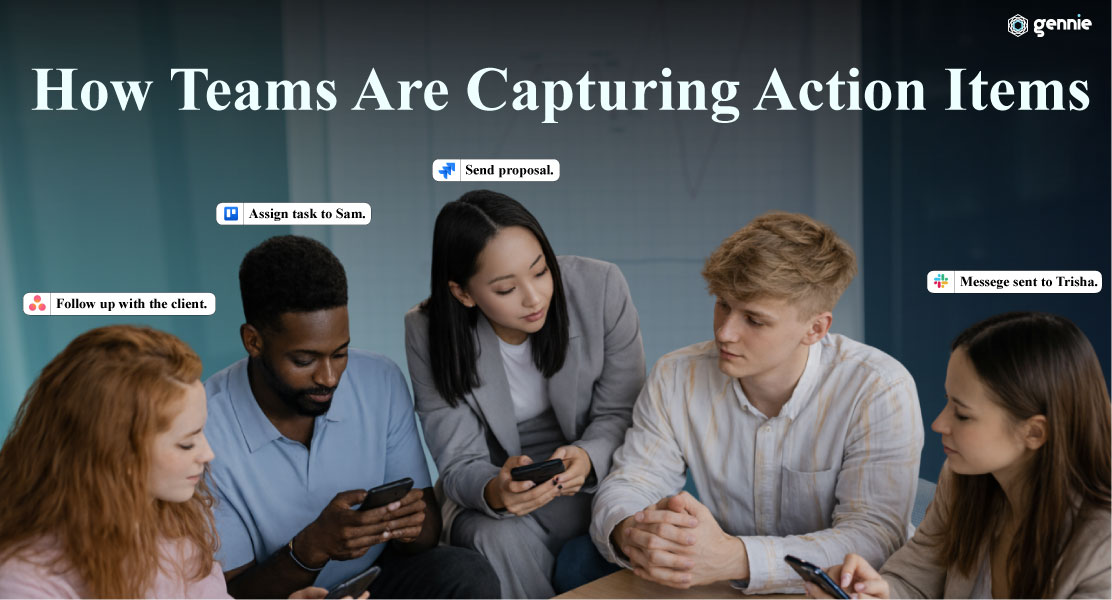
- Meetings
- Phone conversations
- Emails and messages
- Project discussions
- Quick decisions during work
Yet managing those tasks still requires opening multiple apps, navigating interfaces, and switching contexts repeatedly.
This friction is what voice task management for productivity tools aims to eliminate.
Why Voice Is the Natural Next Step for Productivity
Voice is not just convenient, it’s efficient.
Speaking is faster than typing, and natural language is easier than navigating menus. When voice becomes the primary interface, task management stops interrupting work and starts supporting it.
Voice-first productivity enables users to:
- Capture tasks instantly
- Update work without opening apps
- Reduce screen dependency
- Maintain focus during busy workflows
However, voice only works when it’s universal, not limited to a single ecosystem.
What “Google Tasks for Every Tool” Really Means
When we say:
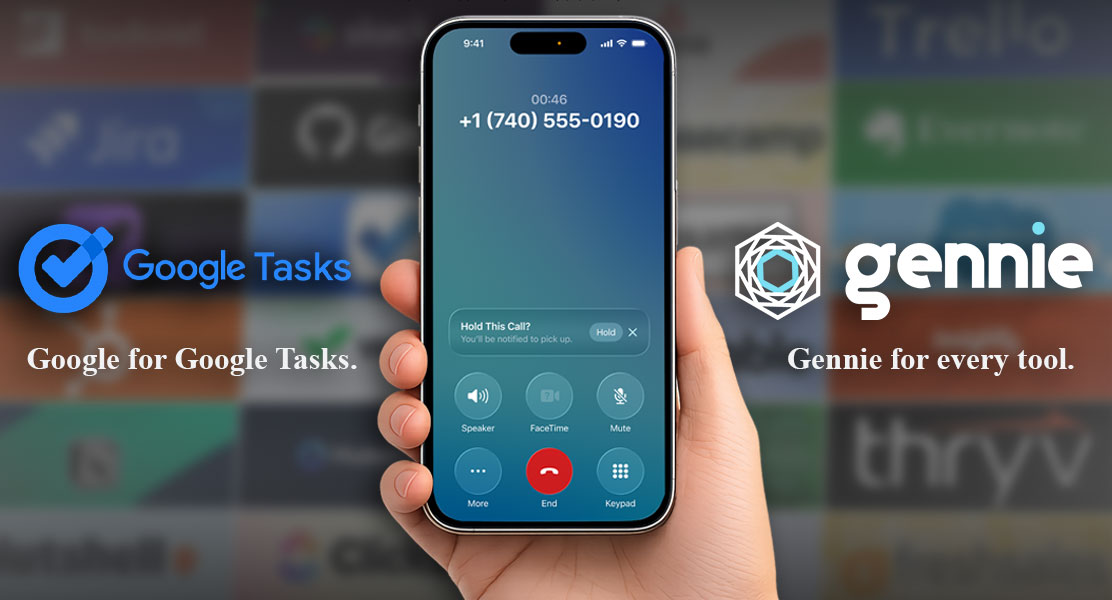
What Google Tasks does inside the Google ecosystem, Gennie does across every tool
We are describing an evolution of the idea, not a replacement.
Google Tasks simplifies task management within Google.
Gennie applies that same simplicity to the realities of modern work, where tools are numerous, workflows are interconnected, and productivity must accelerate.
How Gennie Reimagines Voice Task Management
Gennie is a voice-powered AI assistant designed specifically for professional workflows across tools.
Instead of being tied to a single ecosystem, Gennie serves as a universal voice interface for productivity.
How Gennie Works
Users interact with Gennie through:
- A dedicated phone number
- An app
- A browser extension
By dialing Gennie’s assigned number or using its interfaces, users can give clear voice commands that Gennie executes across connected productivity tools.
Important clarification:
- Gennie does not operate during live calls
- Users intentionally dial Gennie to give commands
- This ensures accuracy, clarity, and security
What Gennie Can Do That Google Cannot
Gennie is built for cross-tool execution, not ecosystem control.
With Gennie, users can:
- Manage tasks across every productivity tool
- Execute complex task updates, not just reminders
- Use voice without opening any application
- Work even in offline scenarios
- Maintain consistent task control across platforms
This makes Gennie especially valuable for professionals who work across multiple systems every day.
Why Voice Task Management for Productivity Tools Matters Now
The average professional switches tools dozens of times per day. Each switch breaks focus, slows momentum, and increases cognitive load.
Voice-first task management changes this dynamic.
Instead of managing work inside apps, users manage work through conversation. Tasks become actions, not destinations.
This shift:
- Saves time
- Reduces mental fatigue
- Improves follow-through
- Aligns technology with human behavior
Google Tasks vs Gennie: Ecosystem vs Universality
This is not about which tool is better; it’s about what problem each one solves.
Google Tasks:
- Optimized for Google Workspace
- Excellent for personal and lightweight task management
Gennie:
- Designed for multi-tool work environments
- Built for voice-driven execution across platforms
Google focuses on ecosystem depth.
Gennie focuses on workflow continuity.
Google Tasks vs Gennie: Key Differences in Voice Task Management
Google Tasks and Google Assistant are designed to manage tasks and reminders within the Google ecosystem. They work best when your workflow lives inside Gmail, Google Calendar, and other Google apps. Their primary focus is simple task capture, basic updates, and lightweight daily organization using voice commands through Google-connected devices.
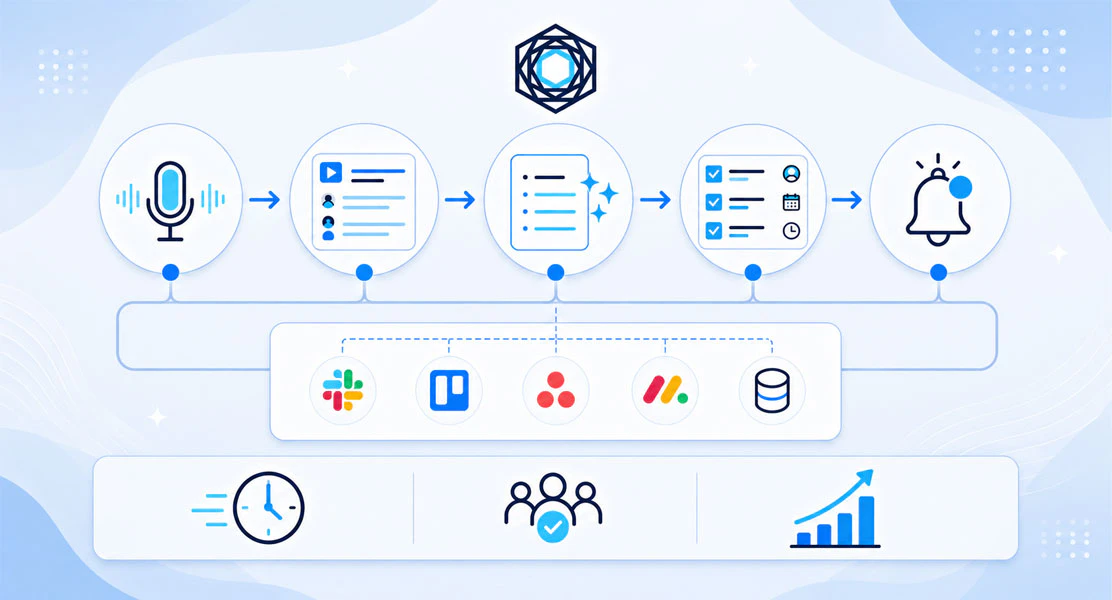
Gennie, on the other hand, is built for work that happens across multiple productivity tools. Instead of focusing on a single ecosystem, it acts as a universal voice interface that connects different platforms and executes actions across them. Users can create both simple and complex tasks, update work across systems, and trigger workflows without opening individual applications.
While Google’s voice capabilities are tied to its own apps and services, Gennie enables voice-driven task management across external tools, project platforms, and professional workflows. It also provides more advanced task execution, broader workflow control, and consistent voice access through a dedicated phone number, app, or browser extension.
Another key difference is dependency. Google Tasks relies on Google apps and device-based assistants to function effectively. Gennie removes the need to switch between apps, allowing users to manage work conversationally across platforms. It also supports scenarios where users need more flexible access, including offline environments.
In simple terms, Google Tasks is optimized for personal productivity within a single ecosystem, while Gennie is designed for professionals who manage work across multiple tools and need voice to act as a universal control layer.
The Future of Task Management Is Voice-First and Universal
As AI and voice technology evolve, productivity tools will no longer compete solely on features. They will compete on how naturally they fit into daily work.
The future of task management is not another app; it’s a layer that connects everything, responds instantly, and works wherever you are.
Google Tasks showed what simplicity looks like within a single ecosystem.
Gennie extends that idea to the modern workplace.
Final Thoughts
What Google Tasks does inside the Google ecosystem, Gennie does across every tool with voice as the primary interface for productivity.
For teams navigating complex workflows and multiple platforms, voice task management is no longer optional. It’s the next logical step toward frictionless work.